

UNESCO World Heritage Sites and Where to Stay Nearby
The UK is home to 35 UNESCO World Heritage Sites – places recognised for their Outstanding Universal Value (OUV) and cultural or natural significance. Together, they represent some of the country’s most important landscapes and heritage, offering rewarding destinations for short breaks and days out.
Whether you want to explore historic cities, industrial heritage, ancient monuments or protected natural landmarks, visiting a UNESCO World Heritage Site offers an opportunity to experience the UK’s rich history and scenery. HARPA member holiday parks located nearby provide a comfortable and convenient base from which to explore the surrounding area.
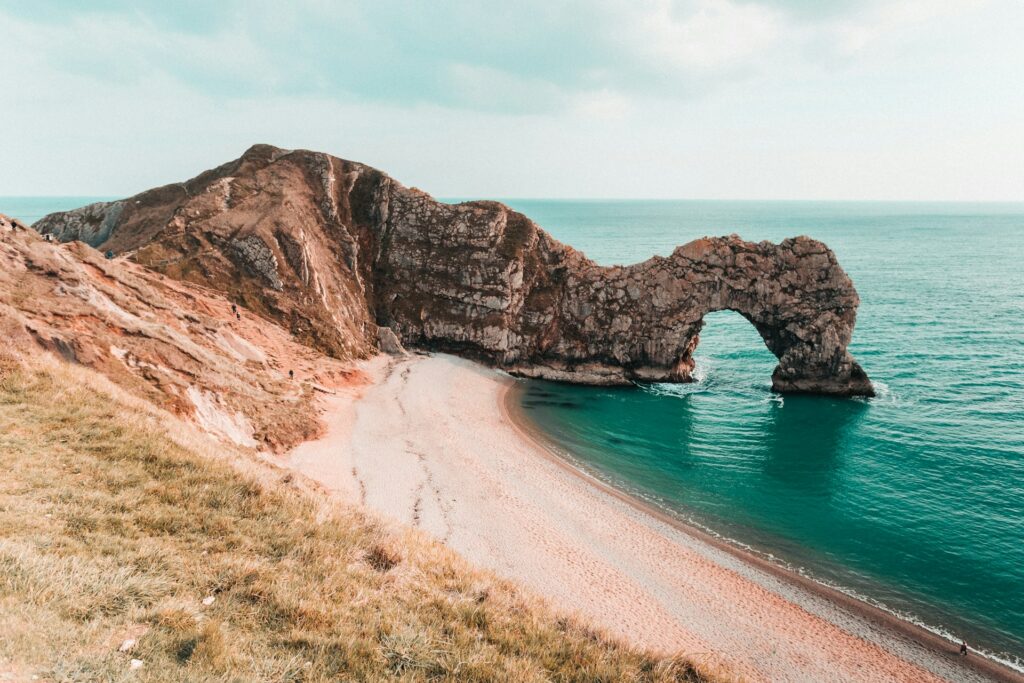
Jurassic Coast
Devon & Dorset, England
The Jurassic Coast is a 95-mile stretch of coastline extending from Exmouth in Devon to Poole Harbour in Dorset. Designated as a UNESCO World Heritage Site for its outstanding geology, the coastline spans 185 million years of Earth’s history and has been the location of some of the UK’s most significant fossil discoveries.
Popular highlights include Durdle Door, an iconic limestone arch that juts out into the sea, as well as Lulworth Cove, West Bay and the fossil-rich beaches of Charmouth and Kimmeridge. The area is ideal for walks along the South West Coast Path and traditional seaside days out.
Where to Stay Near the Jurassic Coast
- Berry Barton Caravan & Camping Park – 9-minute drive, 2 miles
- Axe Vale Caravan Park – 3-minute drive, 1 mile
- Highlands End Holiday Park – 9-minute drive, 1.5 miles
- Pebble Bank Caravan Park – 5-minute drive, 1.5 miles
- Ulwell Holiday Park – 6-minute drive, 2 miles
See all Devon holiday Parks
See all Dorset holiday Parks
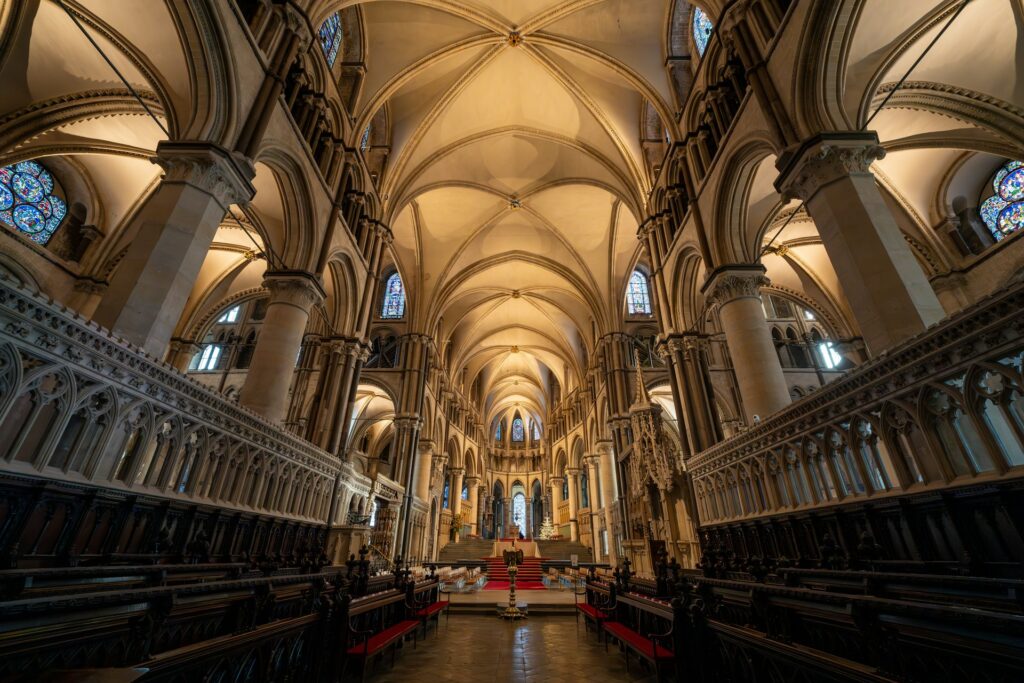
Canterbury Cathedral, St Augustine’s Abbey and St Martin’s Church
Kent, England
Canterbury Cathedral, St Augustine’s Abbey and St Martin’s Church together form a UNESCO World Heritage Site recognised for their importance in the early development of Christianity in England. Located in Kent, the site reflects the arrival of St Augustine in 597 AD and the establishment of the Church in Anglo-Saxon England. The architecture and surviving remains illustrate centuries of religious, cultural and architectural history.
Visitors to Canterbury can explore the cathedral’s medieval interiors, the ruins of St Augustine’s Abbey and St Martin’s Church, the oldest church in continuous use in the English-speaking world.
The Cathedral hosts a wide variety of events and exhibitions throughout the year and there are opportunities to participate in mini talks and activity trails during a sightseeing trip.
Where to Stay Near Canterbury Cathedral, St Augustine’s Abbey and St Martin’s Church
- Canterbury Reach Lodge Retreat – 12-minute drive, 5 miles
- Bridge Country Park – 20-minute drive, 8 miles
- Homing Leisure Park – 18-minute drive, 8 miles
- Bullockstone Farm Caravan Park – 18-minute drive, 7 miles
- Dog and Duck Leisure Park – 26-minute drive, 11 miles
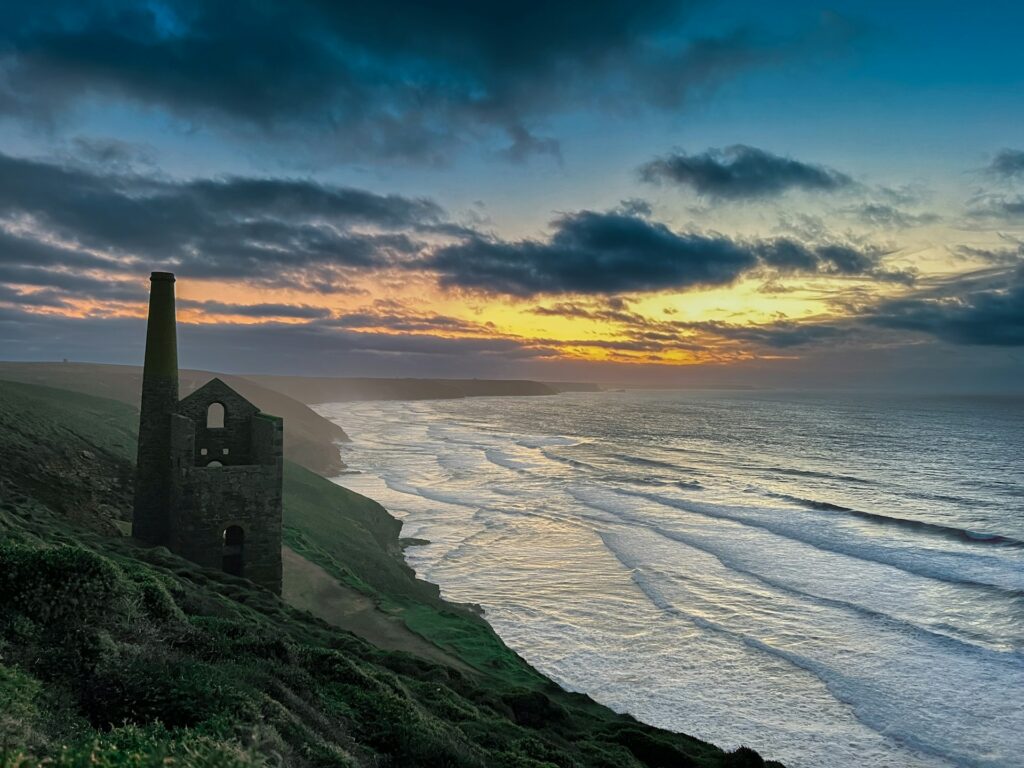
Cornwall and West Devon Mining Landscape
Cornwall & Devon, England
The Cornwall and West Devon Mining Landscape is the largest industrial UNESCO World Heritage Site in the UK. Covering nearly 20,000 hectares across Devon and Cornwall, the area played a significant role in Britain’s Industrial Revolution, supplying copper and tin that supported technological development both nationally and internationally.
Although the mines are no longer operational, visitors can explore preserved engine houses, mine buildings and historic mining towns to understand how the industry shaped the landscape, communities and the local economy. Today, the various sites offer a powerful insight into the UK’s mining heritage within a striking coastal and rural setting.
Where to stay near the Cornwall and West Devon Mining Landscape
- Cardinney Camping and Caravan Park – 35-minute drive, 15 miles
- Steam Valley Holiday Park – 25-minute drive, 10 miles
- Wheal Rodney Holiday Park – 20-minute drive, 6 miles
- River Valley Country Park – 15-minute drive. 4 miles
- Praa Sands Holiday Park – 10-minute drive, 3 miles
See all Devon holiday parks
See all Cornwall holiday parks
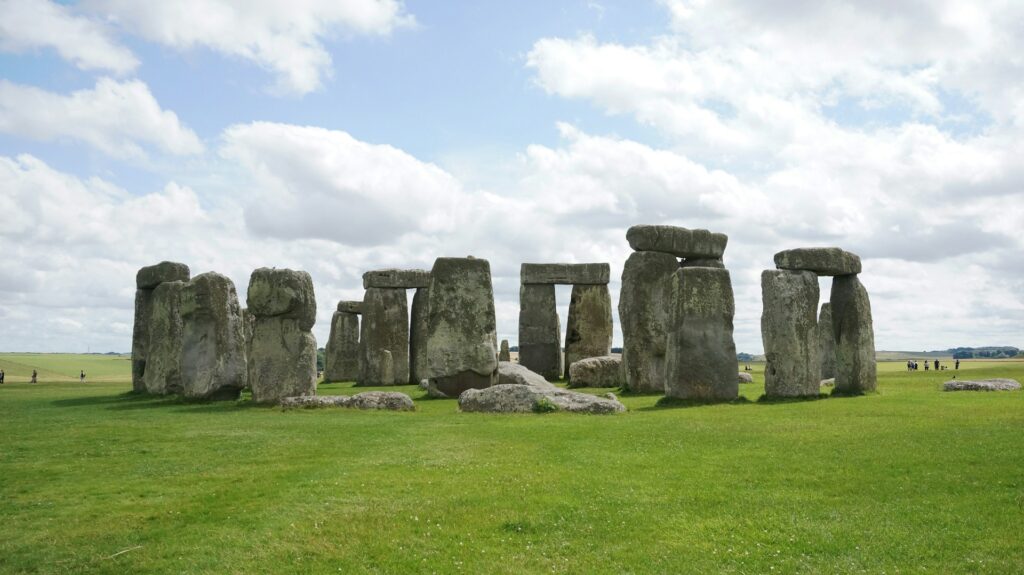
Stone Henge, Avebury and Associated Sites
Wiltshire, England
Stonehenge is one of the most recognisable prehistoric monuments in the UK and forms part of the UNESCO World Heritage Site known as Stonehenge, Avebury and Associated Sites. Located in Wiltshire, the stone circle dates back to the Neolithic period, with major construction taking place around 2500 BC.
Although many details of its construction remain uncertain, evidence shows that some of the stones were transported from the Preseli Hills in Wales, more than 150 miles away. This achievement reflects a remarkable level of organisation and engineering for its time, contributing to Stonehenge’s historical importance. The site is widely believed to have been aligned with the movement of the sun, suggesting it held ceremonial or astronomical significance.
Where to stay near Stone Henge Avebury and Associated Sites
- Stonehenge Campsite & Glamping – 6-minute drive, 3 miles
- Bungalow Park Home Estate – 7-minute drive, 6 miles
- Beverley Hills Park – 15-minute drive, 6 miles
- Stockbridge View – 30-minute drive, 20 miles
- Green Hill Farm Holiday Village – 35-minute, 22 miles
See all Wiltshire holiday parks
Derwent Valley Mills
Derbyshire, England
Derwent Valley Mills is a UNESCO World Heritage Site recognised for its role in the modern factory system. The mills and surrounding settlements were developed in the late 18th century to house new technology for spinning cotton, marking a key moment in the Industrial Revolution.
Today, visitors can explore preserved mill buildings, workers houses and river valleys. Several sites are open to the public with opportunities to tour historic mills and follow walking routes along the Reiver Derwent, offering insight into how industry shaped the landscape and local communities.
Where to stay near Derwent Valley Mills
- Mercia Marina – 30-minute drive, 14 miles
- Shardlow Marina & Caravan Park – 35-minute drive, 16 miles
- Birchwood Farm Caravan Park – 10-minute drive, 6 miles
- Swinney Wood Log Cabins – 7-minute drive, 2 miles
- Golden Valley Caravan & Camping Park – 20-minute drive, 8 miles
See all Derbyshire holiday parks

The Old and New Towns of Edinburgh
Midlothian, Scotland
The Old and New Towns of Edinburgh form a UNESCO World Heritage Site recognised for their distinctive urban planning and architectural significance. The medieval Old Town, centred around Edinburgh Castle, contrasts sharply with the elegant Georgian New Town, known for its neoclassical architecture and orderly streets. Together, these contrasting styles have influenced urban development across Europe.
Edinburgh’s historic centre offers plenty to explore during a short break, from cobbled streets and narrow closes to panoramic views from Arthur’s Seat. Key landmarks include Edinburgh Castle and the Royal Mile, which links the castle to the Palace of Holyroodhouse. The city’s layered history and walkable layout make it an ideal destination for a heritage-focused stay.
Where to stay near The Old and New Towns of Edinburgh
- Beecraigs Caravan & Camping Site – 45-minute drive, 20 miles
- Linwater Caravan Park – 40-minute drive, 13 miles
- Mortonhall Caravan & Camping Park – 25 minutes, 6 miles
- Drummohr Camping & Glamping Site – 27-minute drive, 10 miles
- Seton Sands Holiday Village – 27-minute drive, 10 miles
See all Midlothian holiday parks
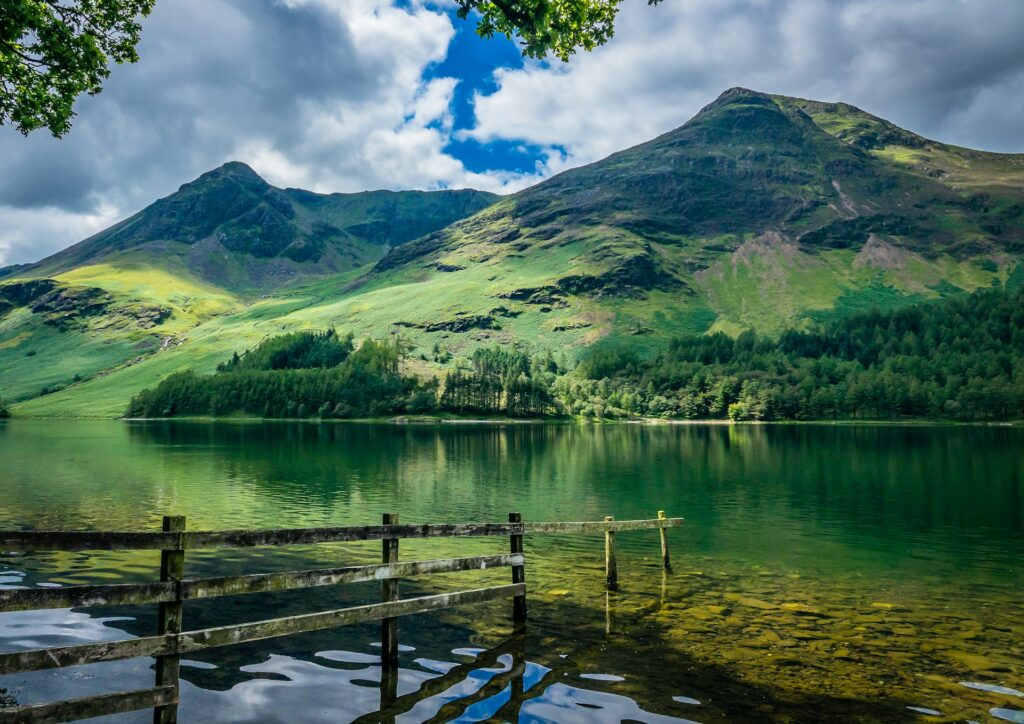
The English Lake District
Cumbria, England
The English Lake District is a UNESCO World Heritage Site recognised for its cultural landscape and outstanding natural beauty. Located in Cumbria, it is home to some of the UK’s most dramatic scenery, including lakes, rolling fells and Scafell Pike, the tallest mountain in England. The area’s landscape has inspired artists and writers such as Beatrix Potter and William Wordsworth for centuries, contributing to its international significance.
Picturesque villages such as Ambleside, Grasmere and Keswick offer independent shops, pubs and well-regarded restaurants, making the Lake District well suited to both active breaks and relaxed countryside stays.
Where to stay near The English Lake District
- Castlerigg Hall Caravan Camping Glamping Park
- Bassenthwaite Lakeside Lodges
- Barker Knott Caravan Site
- Pound Farm Leisure Park
- Ullswater Holiday Park
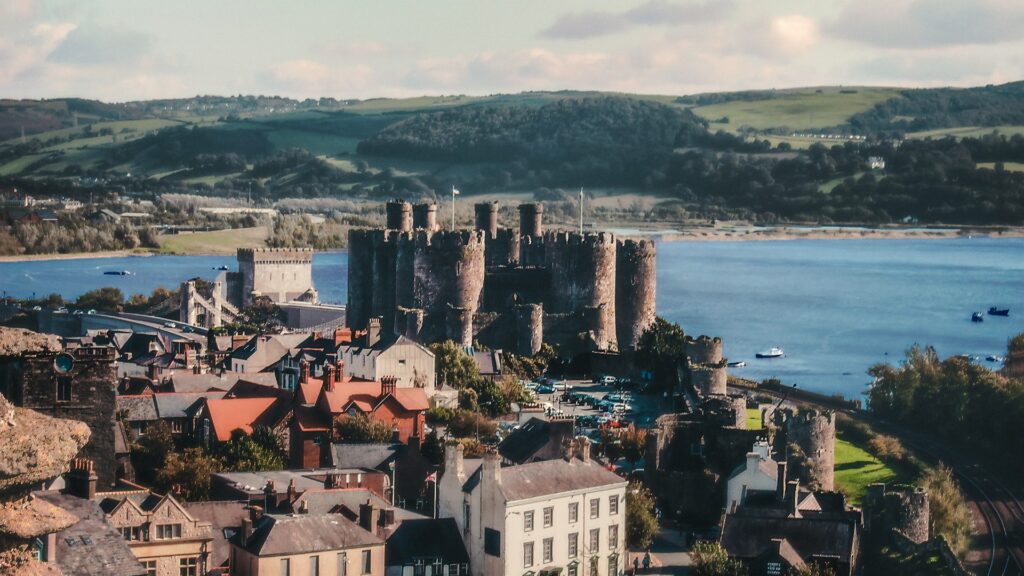
The Castles and Town Walls of Kind Edward in Gwynedd
North Wales
The Castles and Town Walls in Gwynedd form a UNESCO World Heritage Sites recognised for their exceptional example of 13th-century European military architecture. Built during the reign of King Edward I following his conquest of Wales, the castles demonstrate advanced defensive design and strategic planning.
Four castles are included within the designation – Beaumaris, Caernarforn, Conwy and Harlech. Together with their associated town walls, they represent some of the finest surviving medieval fortifications in Europe.
Where to Stay Near The Castles and Town Walls of Kind Edward in Gwynedd
- Coed Helen Holiday Park – 6-minute drive, 2 miles
- Tyn y Coed Caravan Park – 9-minute drive, 3 miles
- Plas Gwyn Caravan & Camping Park – 8-minute drive, 3 miles
- White Tower Holiday Park – 10-minute drive, 4 minutes
See all North Wales holiday parks
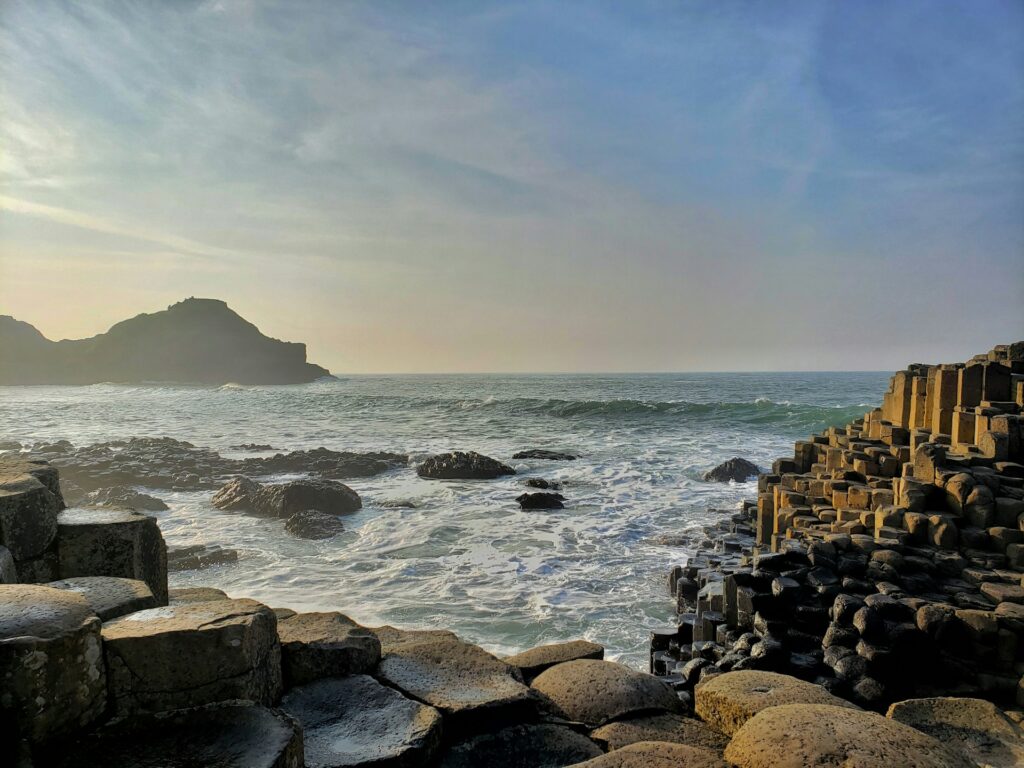
Giant’s Causeway
County Antrim, Northern Ireland
Giant’s Causeway was Northern Ireland’s first UNESCO World Heritage Site, recognised for its unique geological formations. The site is made up of around 40,000 interlocking basalt columns formed by volcanic activity millions of years ago. The distinctive hexagonal pillars create a striking coastal landscape.
The site is steeped in legend, with local folklore telling of the Giant Finn McCool building the causeway to get across the Irish Sea to face his rival in Scotland.
Visitors can explore the dramatic coastline on foot with walking routes offering sweeping views of the Atlantic Ocean and surrounding cliffs.
Where to Stay Near Giants Causeway
- Golden Sands – 35-minute drive, 20 miles
- Causeway Coast Holiday Park – 20-minute drive, 12 miles
- Whitehill Caravan Park – 1 hour 5-minute drive, 46 miles
See all Northern Irish holiday parks
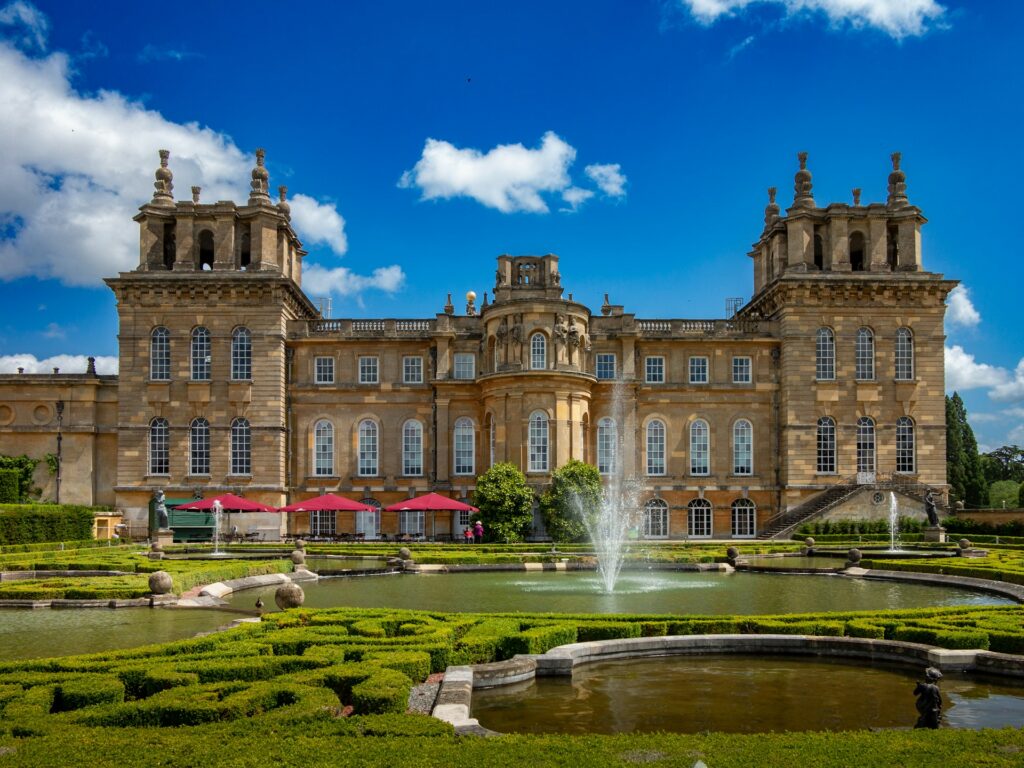
Blenheim Palace
Oxfordshire, England
Blenheim Palace is an 18th-century country house in Woodstock, Oxfordshire. It is a UNESCO World Heritage Site recognised for its Baroque architecture, and landscapes parkland. The Palace remains the residence of the Duke and Duchess of Marlborough. It was also the birthplace and ancestral home of Sir Winston Churchill.
The estate is open to the public, with opportunities to explore the staterooms and formal gardens. Throughout the year, Blenheim Palace hosts a programme of exhibitions and seasonal events, reflecting its ongoing role as both a historic residence and cultural landmark.
Where to Stay Near Blenheim Palace
- Blenheim Palace Lodge Retreat – 2-minute drive, 1 mile
- Bicester Park Home Estate – 21-minute drive, 13 miles
- Hardwick Park – 23-minute drive, 11 miles
- Shillingford Hill Home Park – 35-minute, 20 miles
See all Oxfordshire holiday parks
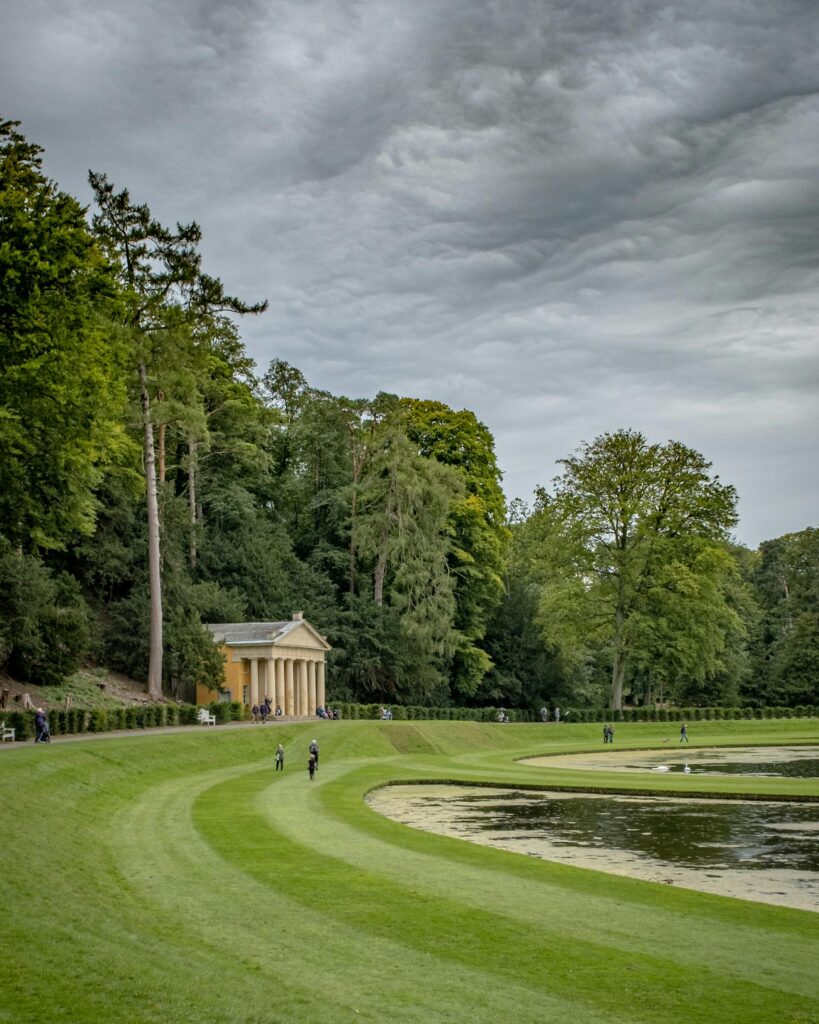
Studley Royal Park Including the Ruins of Fountains Abbey
North Yorkshire, England
Studley Royal Park, including the ruins of Fountains Abbey, is a UNESCO World Heritage Site recognised for its 18th-century landscaped garden and heritage. The site combines a designed water garden with the dramatic remains of a 12-century Cistercian abbey.
The landscaped park features ornamental lakes, canals and cascades, reflecting the ideals of the Georgian era. Visitors can explore the abbey ruins, deer park and formal gardens, making the site a rewarding festination for those interested in history.
Where to Stay Near Studley Royal Park Including the Ruins of Fountains Abbey
- River Laver Holiday Park – 8-minute drive, 3 miles
- Woodhouse Farm Holiday Park – 13-minute drive, 5 miles
- Newholme Caravan Park – 21-minute drive, 9 miles
- Cedar Retreats-North Yorkshire – 22-minute drive, 10 miles
- Sleningford Watermill Caravan & Camping Park – 22-minutes drive, 10 miles
Frequently Asked Questions About UNESCO World Heritage Sites in the UK
What is a UNESCO World Heritage Site?
A UNESCO World Heritage Site is a landmark or area that is recognised for having Outstanding Universal Value (OUV). Sites are designated by UNESCO for their cultural, historical or natural importance and are protected to ensure their preservation for future generations.
How many UNESCO World Heritage Sites are in the UK?
There are 35 UNESCO World Heritage Sites in the UK in key locations across England, Scotland Wales and Northern Ireland.
Are there natural UNESCO World Heritage Sites in the UK?
Yes, there are many natural UNESCO World Heritages Sites. Examples include the Jurassic Coast, the English Lake District, the Flow Country and St Kilda, each recognised for their unique geological or environmental significance.
Can you stay near UNESCO World Heritage sites?
Yes, there are a variety of accommodation options near UNESCO World Heritage Sites across the UK.
Holiday parks provide a flexible and comfortable base for exploring these historic and natural landmarks, with many located within easy reach of major sites.
Planning a Stay Near a UNESCO World Heritage Site
If you’re planning a visit to one of the UK’s UNESCO World Heritage Sites, staying at a nearby HARPA member park provides a comfortable and convenient base from which to explore. With high quality accommodation and a range of onsite facilities, holiday parks offer flexibility for both short breaks and longer stays