

Guide Reveals Key Questions to Ask When Buying a Residential Park Home
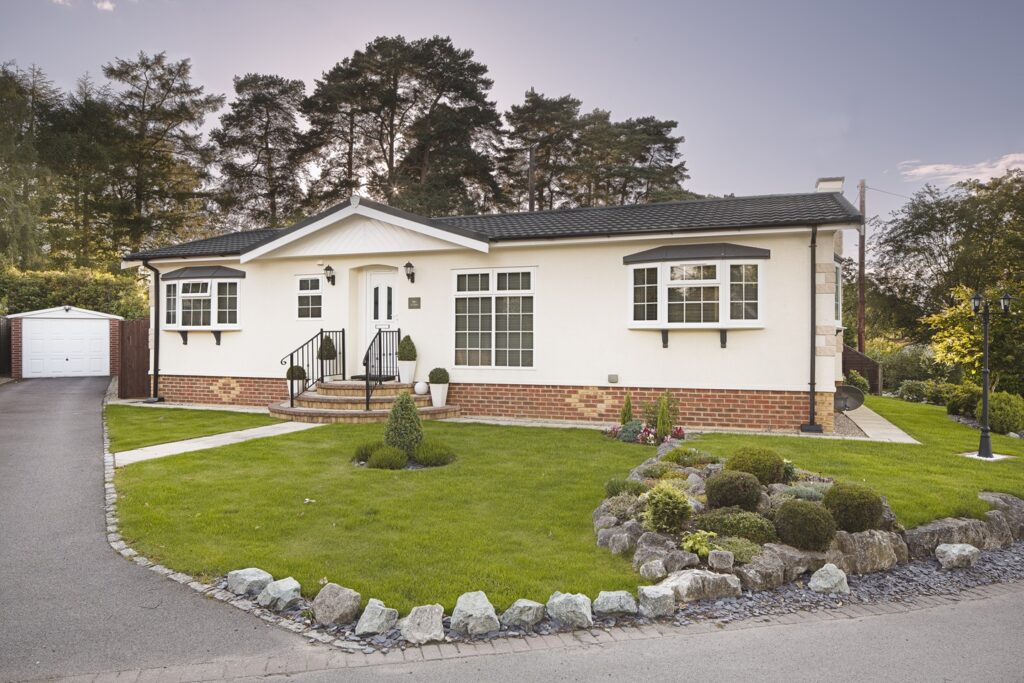
People considering buying a residential park home can now access a free guide explaining the important questions to ask before making their purchase.
The guide has been published by the Holiday and Residential Parks Association (HARPA), the official body representing residential parks across the UK, and is aimed particularly at people in or approaching retirement.
What to Consider When Buying a Residential Park Home
HARPA says residential parks can offer security, peace of mind and an attractive living environment.
Prices can also compare very favourably with nearby brick-built properties, but HARPA stresses that enjoying the benefits of park home living starts with asking the right questions before buying.
Most importantly, prospective buyers should confirm that the park is licensed by the local authority for residential use and is not a holiday park. The legal protections available to people living on residential parks do not apply to owners of holiday caravans and holiday lodges used for leisure purposes.
Growing Demand for Residential Park Homes
Government figures estimate that around 159,000 people in England live in residential park homes, and HARPA says demand continues to grow. Many buyers fund their park home purchase through the sale of a family home, often releasing equity that can provide additional financial security in retirement.
However, HARPA stresses that buyers should do their homework and understand the key aspects of buying a residential park home before committing to a purchase.
Understanding the Written Statement
The guide explains what buyers should expect from the sales contract, known as a ‘Written Statement’, which they must receive before completing a purchase.
The Written Statement contains important information about annual pitch fees, how and when they can be reviewed and the buyer’s rights to sell or gift the park home. Understanding these details can help prospective owners make an informed decision and know what to expect from life on their chosen residential park.
Check the Residential Park Rules Before Buying
Prospective buyers should also familiarise themselves with the individual park rules. These can include whether pets are allowed, whether there are age restrictions and how any shared facilities may be used.
Armed with the right information, buyers can move with confidence into a friendly, like-minded community that can help them maintain their independence in later life.
The newly published guide from HARPA is available from parkhome.org.uk.
FAQs About Buying a Residential Park Home
What should I check before buying a residential park home?
One of the most important checks is that the park is licensed by the local authority for permanent residential use. Buyers should also understand the Written Statement, pitch fees and individual park rules.
What is a Written Statement when buying a park home?
The Written Statement is an important document provided before completing a residential park home purchase. It contains details about matters including pitch fees, fee reviews and the owner’s rights to sell or gift their home.
Can I live permanently in a residential park home?
Yes, provided the park is licensed for permanent residential use. A holiday park or holiday home should not be treated as a permanent residential park home.
Are there age restrictions on residential park homes?
Some residential parks have age restrictions, particularly those designed for people in or approaching retirement. Prospective buyers should check the individual park rules before purchasing.
Can I have pets in a residential park home?
Pet policies vary between residential parks. Buyers should check the park rules to find out whether pets are permitted and whether any restrictions apply.
Where can I find advice about buying a residential park home?
HARPA provides information for prospective park home buyers through parkhome.org.uk, including its guide to the important questions to ask before making a purchase.