

Top Lakeland Park Warns of Looming Tourism Tax Threat
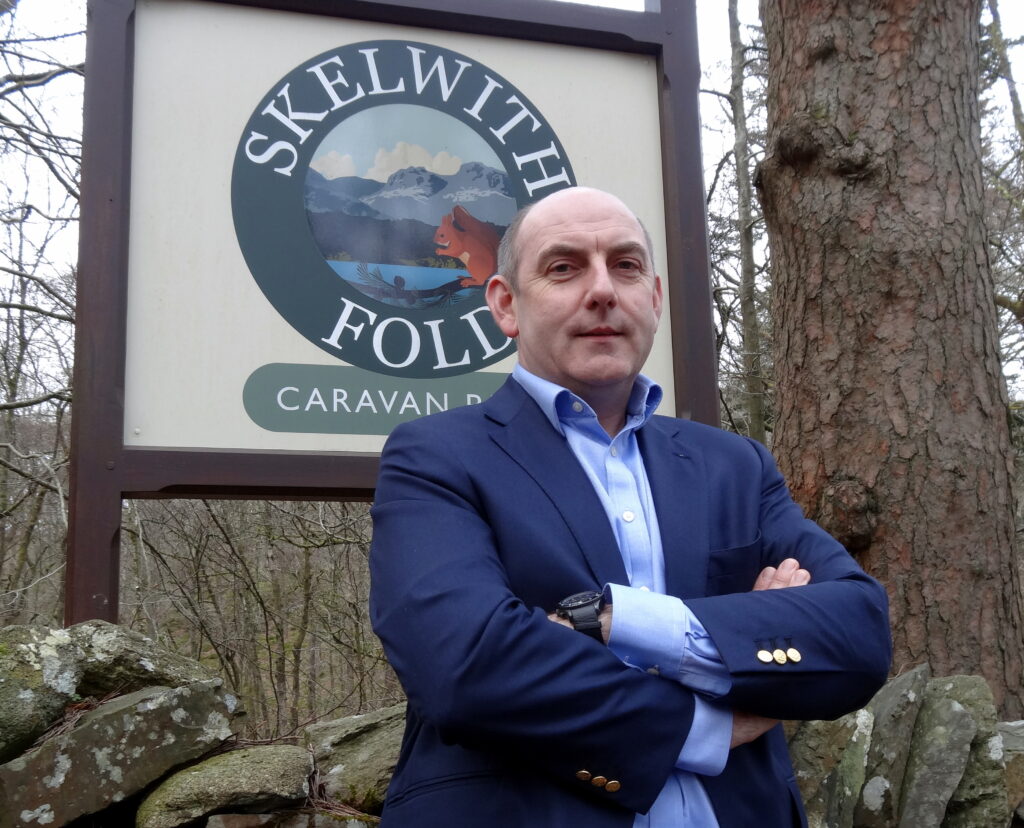
A leading Lake District holiday park owner has warned that Cumbria has two years to step back from what he describes as the potentially disastrous consequences of imposing a tourism tax on visitors. Henry Wild of Skelwith Fold Caravan Park near Ambleside was speaking following the recent Government decision to allow mayors in England to introduce tourism taxes.
Cumbria is set to become a mayor led authority in May 2027 and could then move to introduce a visitor levy on people staying overnight in the Lake District. But Henry Wild said that such a move would be a totally self defeating measure which risks harming the region’s tourism economy rather than supporting it.
Henry, whose park was named the Lake District’s Holiday Park of the Year in 2025 by Cumbria Tourism, said a levy could see families choose destinations that do not impose extra charges on overnight stays. Instead of raising additional revenue, he warned that visitor numbers could fall with knock on effects across the county.
Impact on local businesses
The effect of fewer holidaymakers would be felt by a wide range of local businesses such as shops, cafes and visitor attractions which rely heavily on tourism. Henry said that a levy on overnight stays also raises serious questions around fairness and common sense.
“Accommodation providers such as holiday parks and hotels pay substantial business rates to the local authority, and these are reflected in the prices we charge to guests. In other words, visitors are already putting their hands in their pockets when they stay the night in Cumbria – so a tourism tax would be a double whammy.
Our businesses also pay for commercial services from the council, such as waste collection and recycling, so that’s another way we help to fill their coffers. It should also be remembered that although tens of millions of people visit Cumbria each year, many are day trippers and so won’t be contributing to the levy.
I believe, a strong case for our council to take a long and hard look at the threats this tax poses, and how it could damage local businesses already paying their way.” said Henry.
Established family run Lake District holiday park
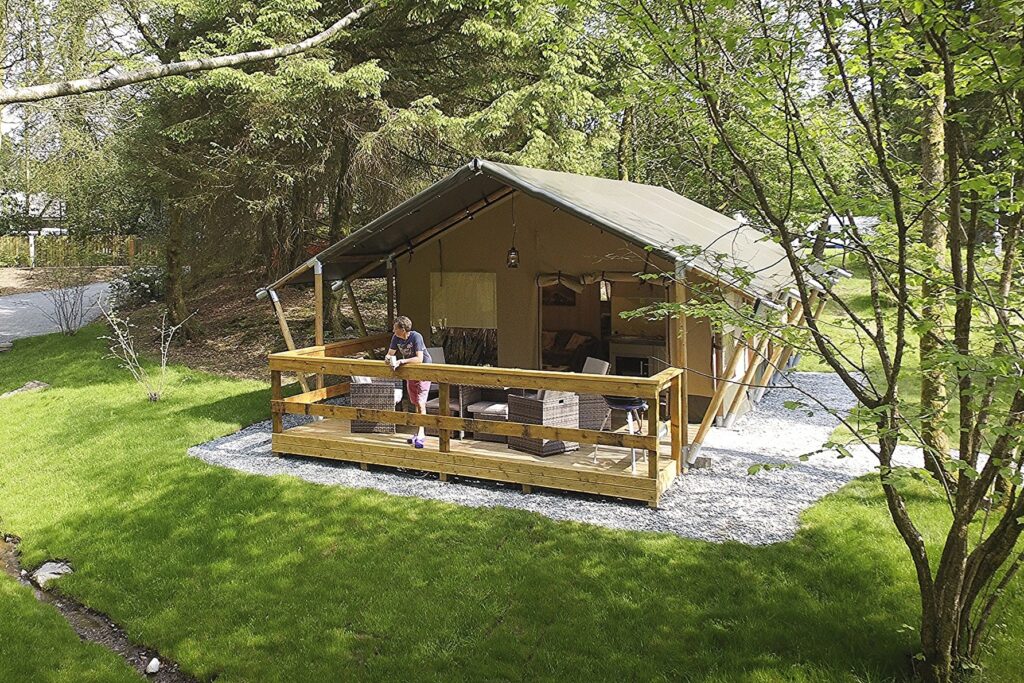
Owned by the Wild family for almost 30 years, Skelwith Fold has 450 pitches set across 130 acres of countryside with accommodation options including luxury safari tents and motorhome pitches. Henry is also a former national chairman of the Holiday and Residential Parks Association (HARPA), which represents around 3,000 UK parks.
He has now issued an open invitation for council leaders to meet with him to discuss the potential economic implications of introducing a tourism tax in two years’ time.
Highlights
- Lake District holiday park owner warns tourism tax could reduce visitor numbers
- Concerns raised about fairness for overnight guests already paying business costs
- Local shops, cafes and attractions could be affected by fewer visitors
- Open invitation issued to council leaders to discuss economic risks
FAQs
What is a tourism tax or visitor levy?
A tourism tax is a charge applied to overnight stays which is paid by visitors staying in accommodation such as hotels or holiday parks.
When could Cumbria introduce a tourism tax?
Cumbria could consider introducing a levy after becoming a mayor led authority in May 2027.
Why is a Lake District holiday park owner opposing the tax?
Henry Wild believes the tax could discourage visitors and harm local businesses that depend on tourism.
Do visitors already contribute financially to Cumbria?
Yes. Overnight visitors pay accommodation costs that reflect business rates and commercial service charges paid by park and hotel operators.
Who represents holiday parks at a national level?
The Holiday and Residential Parks Association (HARPA) represents around 3,000 holiday and residential parks across the UK.
Has the council agreed to introduce a tax?
No decision has been made. The comments are a warning about potential future consequences and a call for discussion before any levy is introduced.